Introduction
India has emerged as one of the world’s leading pharmaceutical manufacturing hubs, supplying high-quality medicines to domestic and international markets. With increasing demand for affordable healthcare products and expanding pharmaceutical businesses, third party manufacturing has become a preferred business model for pharmaceutical companies, startups, exporters, and distributors.
In 2026, pharmaceutical third party manufacturing in India continues to experience remarkable growth due to cost efficiency, regulatory compliance, and the country’s strong manufacturing infrastructure. This guide explores the latest trends, growth opportunities, and essential business insights for companies looking to leverage third party pharma manufacturing.
What is Pharmaceutical Third Party Manufacturing?
Pharmaceutical third party manufacturing, also known as contract manufacturing, is a business arrangement where a pharmaceutical company outsources the production of its products to a certified manufacturing company.
The manufacturing partner handles production, packaging, quality control, and regulatory compliance, while the brand owner focuses on marketing, distribution, and business expansion.
Why is Third Party Pharma Manufacturing Growing in India?
Several factors are driving the rapid growth of third party pharmaceutical manufacturing:
1. Cost-Effective Business Model
Setting up a pharmaceutical manufacturing facility requires significant investment in machinery, infrastructure, licenses, and skilled manpower. Third party manufacturing eliminates these expenses, allowing businesses to enter the market with lower capital investment.
2. WHO-GMP Certified Facilities
Many Indian pharmaceutical manufacturers operate WHO-GMP certified production units, ensuring high-quality standards and regulatory compliance.
3. Expanding Domestic and Export Markets
India’s pharmaceutical industry continues to grow due to rising healthcare awareness, increasing demand for generic medicines, and expanding export opportunities across Asia, Africa, the Middle East, and Latin America.
4. Faster Product Launches
Third party manufacturing enables pharmaceutical companies to introduce new products quickly without the delays associated with establishing production facilities.
Key Trends in Pharmaceutical Third Party Manufacturing (2026)
Increased Demand for Specialized Products
The market is witnessing strong demand for:
- Nutraceuticals
- Herbal formulations
- Pediatric medicines
- Cardiac and diabetic products
- Dermatology products
- Oncology medicines
Growing Export Opportunities
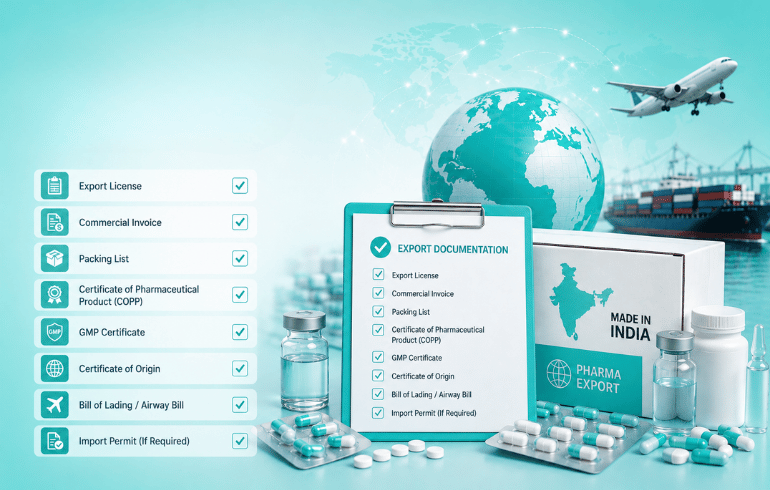
International buyers increasingly prefer Indian manufacturers due to competitive pricing, quality standards, and regulatory expertise.
Advanced Manufacturing Technologies
Modern pharmaceutical facilities are adopting:
- Automated production systems
- Digital quality management
- AI-based production monitoring
- Enhanced traceability solutions
Focus on Regulatory Compliance
Regulatory compliance remains a critical factor. Manufacturers are investing heavily in quality assurance systems and documentation processes to meet global standards.
Benefits of Third Party Pharma Manufacturing
Reduced Investment
Businesses can launch products without investing in manufacturing plants, equipment, or large workforces.
Access to Expert Manufacturing
Experienced manufacturers provide technical expertise, quality control, and production support.
Scalability
Companies can easily increase production volumes as market demand grows.
Wide Product Portfolio
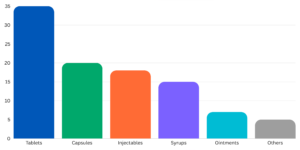
Manufacturers often offer extensive product ranges including tablets, capsules, syrups, injections, ointments, sachets, and nutraceutical products.
How to Choose the Right Third Party Manufacturing Partner
Selecting the right manufacturing company is crucial for long-term success.
Consider the following factors:
Manufacturing Certifications
Verify certifications such as:
- WHO-GMP
- ISO
- FSSAI (for nutraceuticals)
- GLP certifications
Product Range
Choose a manufacturer capable of producing multiple formulations under one roof.
Quality Assurance
Evaluate quality control procedures, testing facilities, and batch consistency standards.
Packaging Capabilities
Modern packaging solutions enhance product appeal and regulatory compliance.
Production Capacity
Ensure the manufacturer can meet current and future demand requirements.
Documents Required for Third Party Manufacturing
Typically, pharmaceutical companies need:
- Drug License
- GST Registration
- Company PAN Card
- Product Composition Details
- Brand Name Information
- Agreement Documentation
Requirements may vary depending on product categories and regulatory guidelines.
Business Opportunities in 2026
Third party manufacturing presents lucrative opportunities for:
- Pharma startups
- PCD pharma franchise companies
- Exporters
- Marketing companies
- Nutraceutical brands
- Healthcare entrepreneurs
The increasing demand for quality medicines and healthcare products creates significant growth potential across multiple therapeutic segments.
Challenges to Consider
Despite its advantages, businesses should carefully address:
- Regulatory compliance requirements
- Product quality consistency
- Intellectual property protection
- Supply chain management
- Market competition
Partnering with a reliable manufacturer helps minimize these challenges.
Conclusion
Pharmaceutical third party manufacturing in India continues to be one of the most profitable and scalable business models in 2026. With growing domestic demand, expanding export opportunities, and access to world-class manufacturing facilities, businesses can achieve rapid growth while minimizing operational costs.
Whether you are a startup, pharma marketer, exporter, or healthcare entrepreneur, partnering with a trusted third party pharmaceutical manufacturer can help you build a successful and sustainable pharmaceutical business.
For reliable pharmaceutical third party manufacturing solutions, choose an experienced manufacturing partner committed to quality, compliance, and timely delivery.